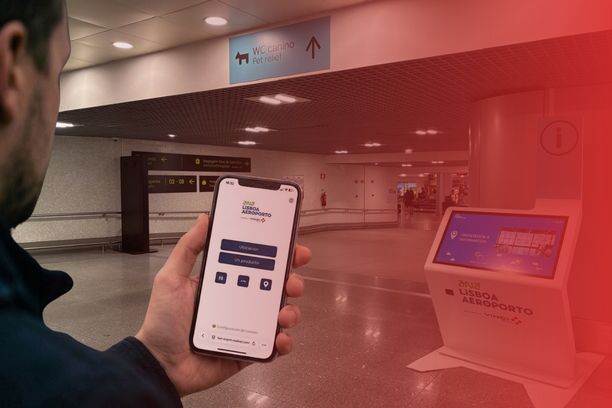
When a wayfinding system works, it becomes invisible, people simply know where to go. When it fails, the consequences are felt by everyone in the space.
We have all experienced the frustration of navigating a poorly marked hospital, a sprawling university campus, or a complex airport. Missed appointments, stressed visitors, staff members spending their time acting as tour guides. Truth is poor wayfinding has real costs. Effective wayfinding design goes far beyond hanging a plaque on a wall. It is the strategic planning of an entire environment, combining digital wayfinding, architectural graphics, and spatial logic to guide users intuitively.
Why clear wayfinding is critical for complex facilities
Large facilities usually have multiple entry points and dense destination clusters. Without a structured wayfinding system, these environments fail to function as intended. The benefits of getting it right go well beyond aesthetics.

Visitor experience
Clear signage removes uncertainty, so users can focus on their actual purpose rather than on finding their way.

Operational efficiency
A strong system reduces staff interruptions, streamlines visitor flow, and mitigates safety risks in high-traffic areas.

Accessibility and compliance
Proper mounting heights, high-contrast colors, and elements to ensure spaces are inclusive and legally compliant.
The core design principles
Every effective wayfinding system is built on the same five pillars. Understanding each one is the first step to designing a navigation environment that truly works.
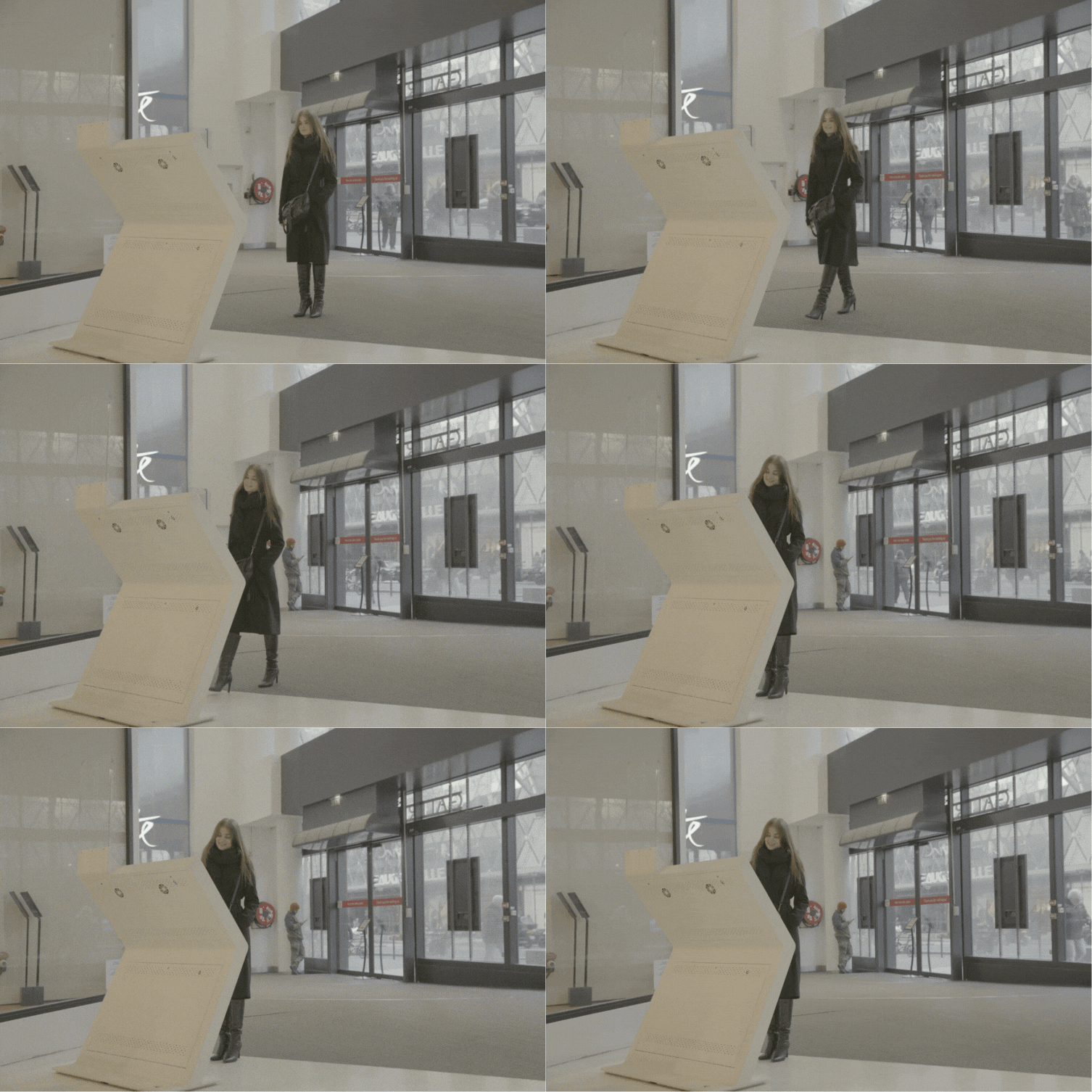
Journey planning
The unplanned shortcuts users naturally gravitate to reveal where signage is needed most. Consider landmarks, transport hubs, and the natural flow through the space.
Legibility
Give people the right information at the right moment, and nothing more. Information overload is as damaging as no signage at all.
Accessibility
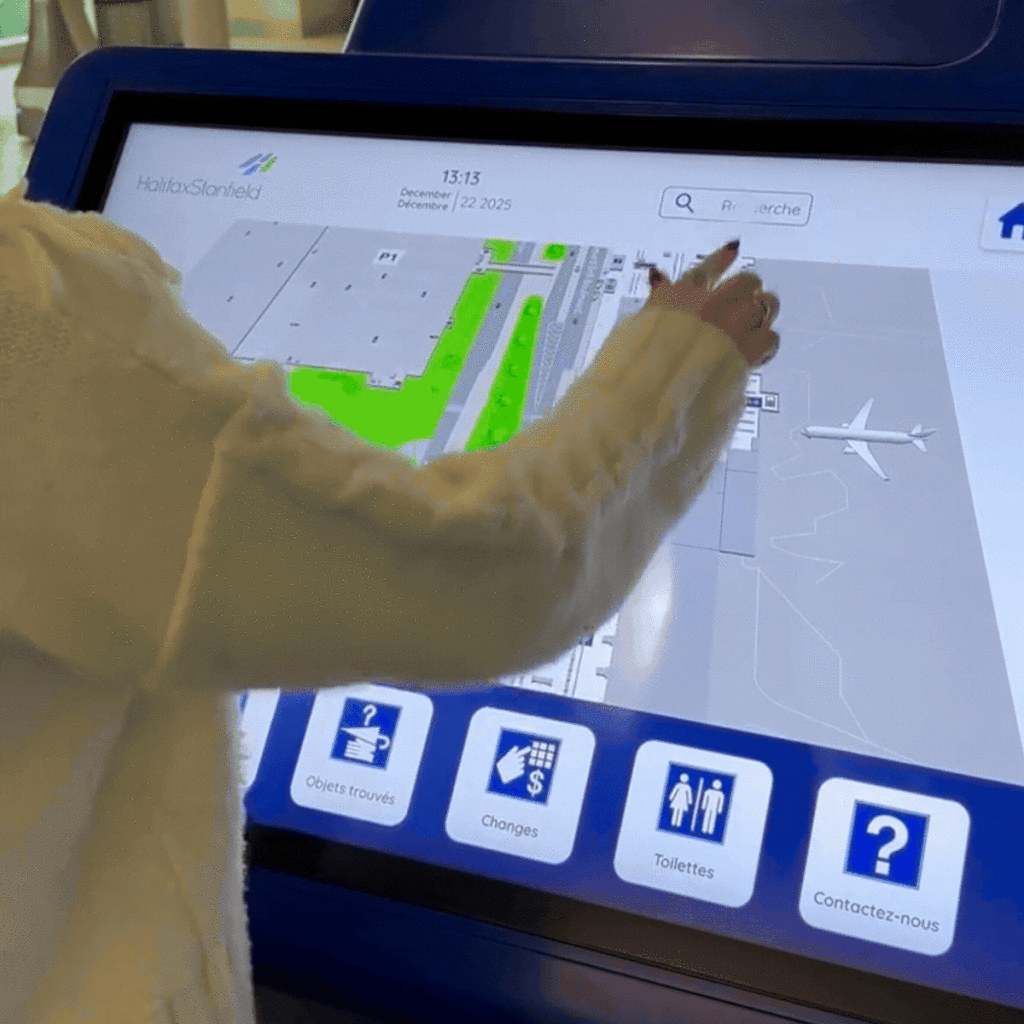
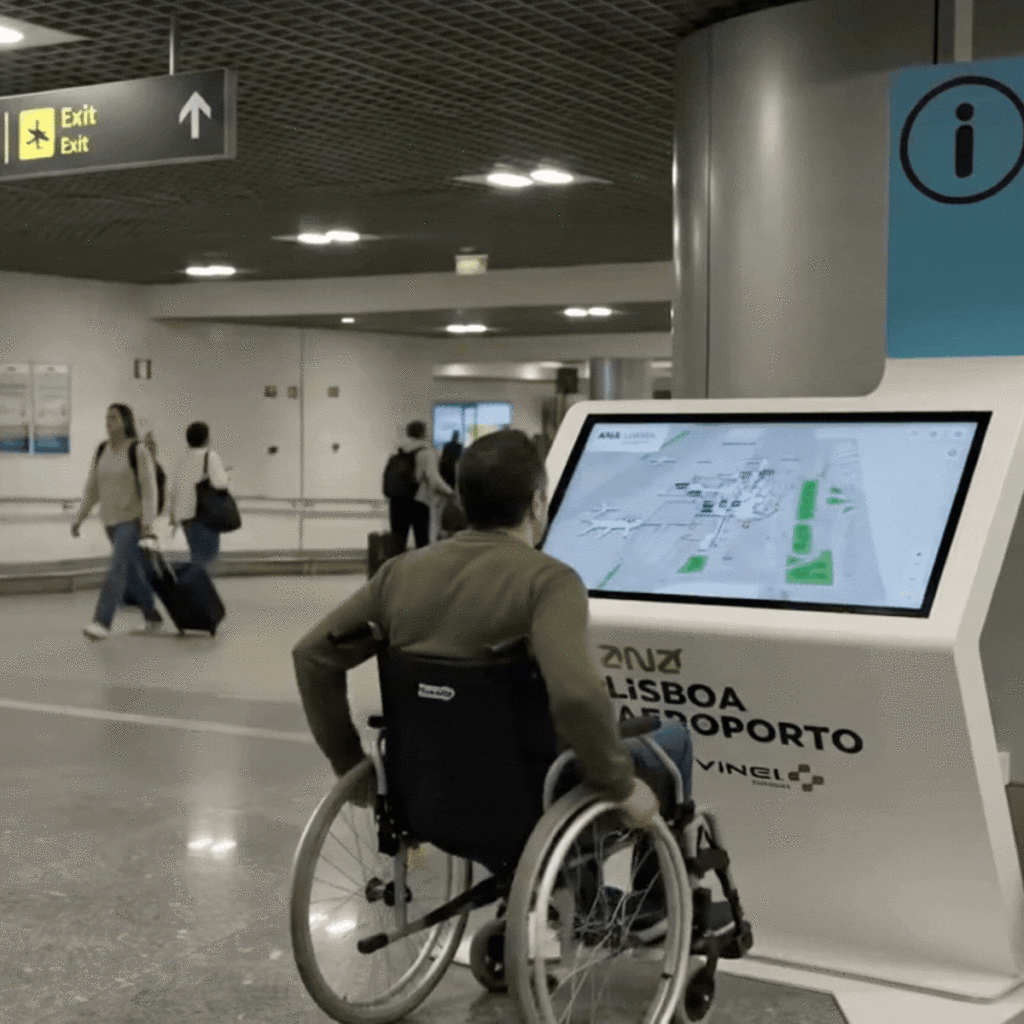
Wayfinding must work for everyone. This extends across all media: physical signage, digital apps, and interactive kiosks should meet the same accessibility standard.
Design
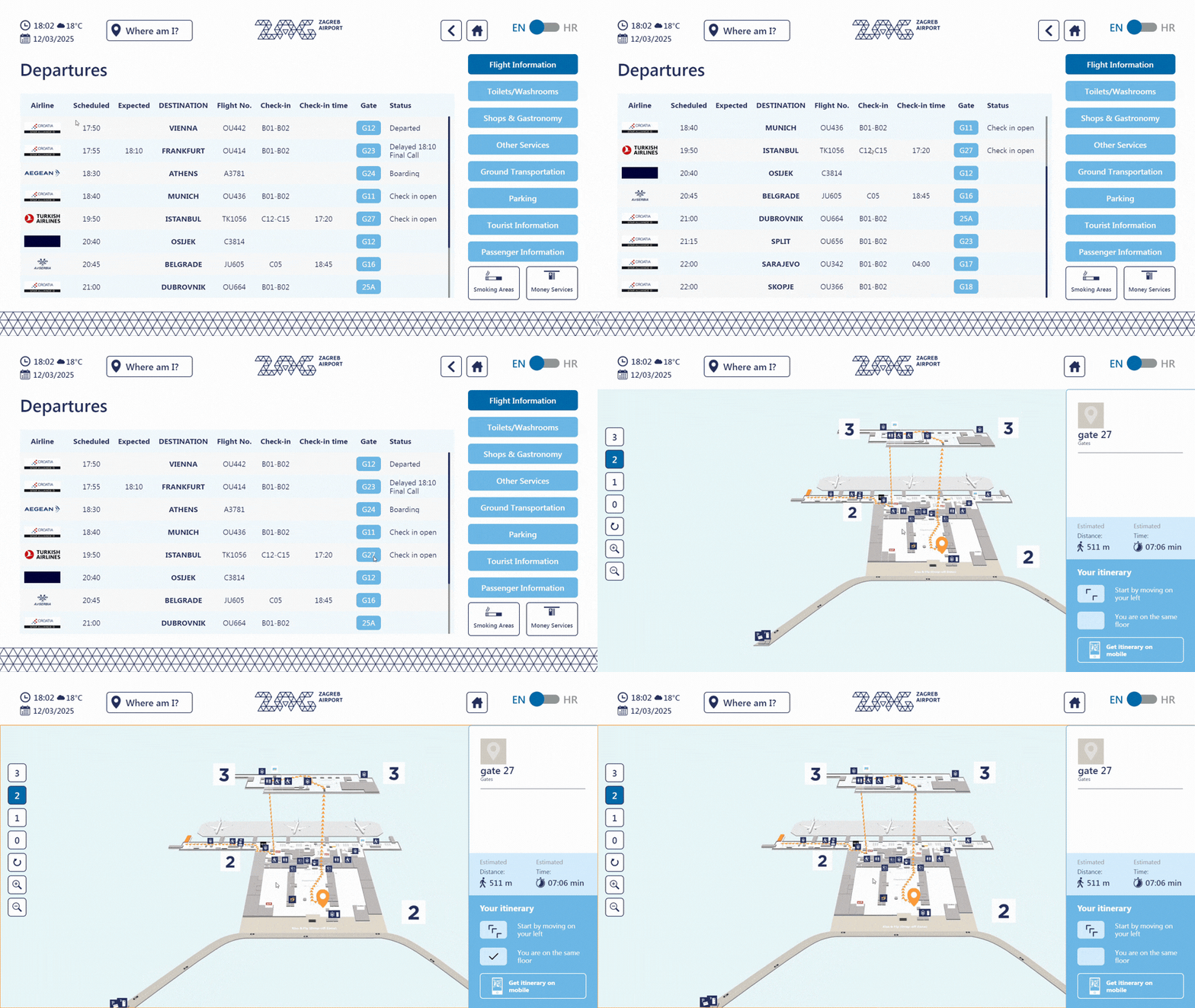
Colour, typography, and pictograms are functional. Maps must be easy to read and consistent. When branding is relevant, incorporate it without letting it compete with navigational clarity.

Consistency
The system must stay coherent long after installation. Wayfinding guidelines, regular audits, and proactive updates keep the navigation experience reliable as spaces evolve.
Looking to improve navigation in your facility?
Our team specialises in end-to-end wayfinding strategy and signage design.