
How smart wayfinding, interactive kiosks, and mobile navigation improve hospital performance?
Patient flow is the ability to move people efficiently through a healthcare facility. When it breaks down, the impact is immediate: missed appointments, overcrowding, delays, and staff constantly interrupted to give directions. When it works, hospitals operate more smoothly and patients experience less stress.
Why patient flow breaks down
Hospitals have become increasingly complex, with multiple buildings, evolving layouts, and high patient volumes. Traditional tools like static signage and printed maps are no longer sufficient.
Navigation alone is a surprisingly costly issue. Research by Deloitte Digital found that more than 85% of patients ask for directions when visiting a hospital, and nearly one in three first-time visitors becomes genuinely lost.
As a result, most patients ask for directions, many get lost, and staff spend valuable time redirecting them. This creates delays, reduces efficiency, and negatively impacts patient experience from the very beginning of the visit.
The shift to digital wayfinding
Modern wayfinding removes the burden from the patient. Instead of interpreting signs, patients receive clear, step-by-step directions adapted to their journey and updated in real time.
Hospitals can also extend this experience before the visit. By integrating an interactive 3D map directly into their website via an iframe, they allow patients to explore the facility, locate departments, and plan their journey in advance. This early access reduces uncertainty and helps patients arrive more confident and better prepared.

By combining real-time navigation with spatial intelligence, hospitals not only guide patients more effectively but also gain valuable insight into movement patterns and congestion points.
Interactive kiosks: structuring flow on-site

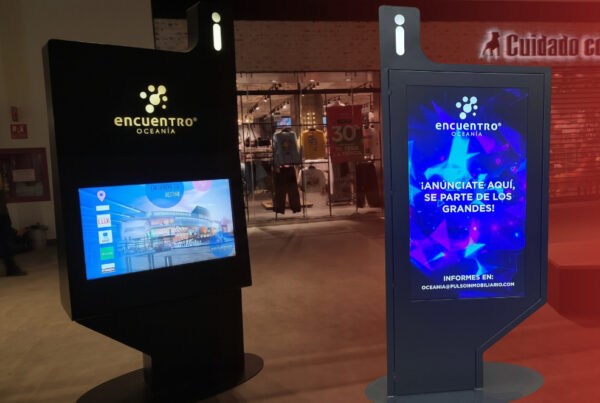
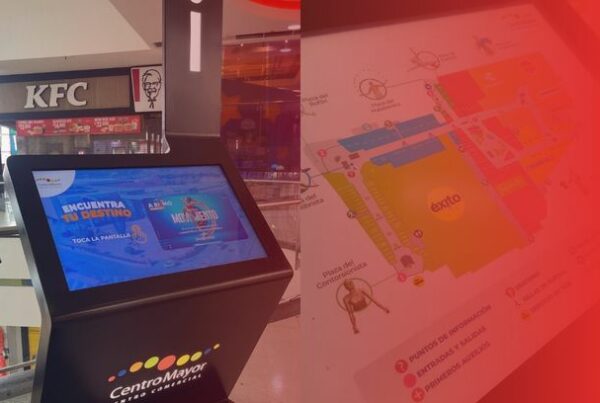
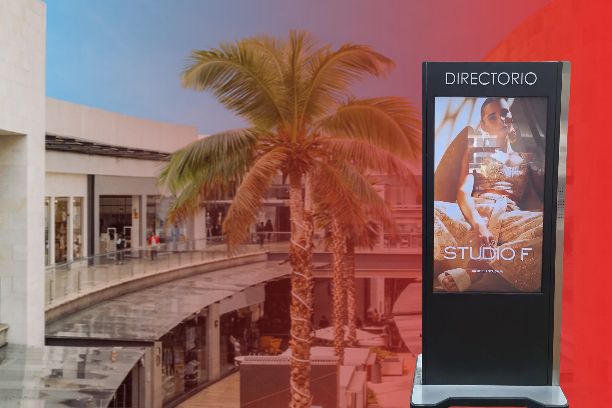
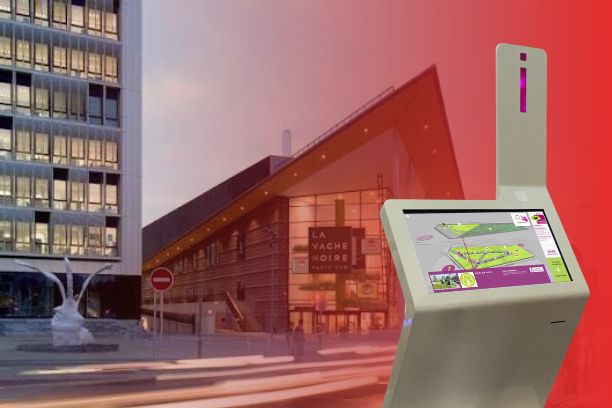
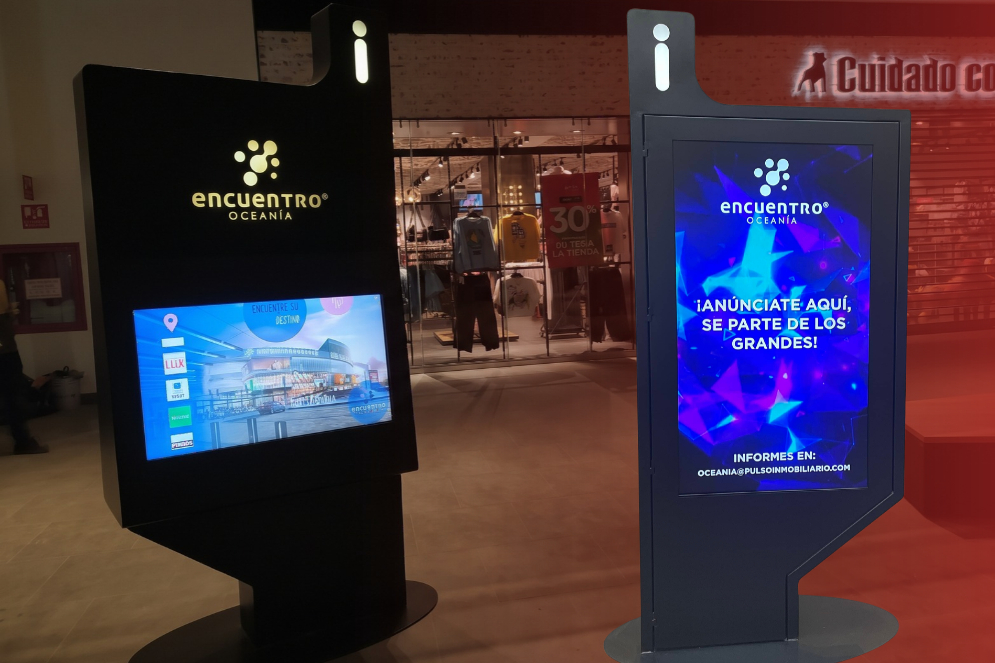
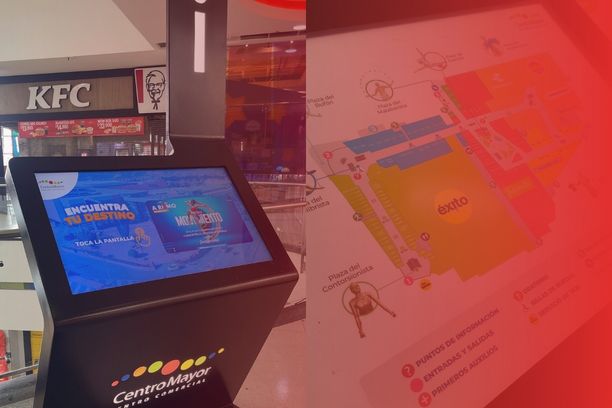
Interactive kiosks act as key navigation hubs inside hospitals. Located at entrances and high-traffic areas, they allow patients to instantly search for a destination and view the best route.
They reduce pressure on staff by handling a large volume of directional requests and ensure accessibility for all users, including those without smartphones. By generating routes that can be transferred to a mobile device via QR code, kiosks also serve as the starting point for a continuous navigation experience.
Mobile wayfinding: continuity throughout the journey
Mobile wayfinding extends navigation beyond fixed points inside the building. Upon arrival, patients simply scan a QR code to instantly access their route on their smartphone, with no app download required. They can then follow step-by-step directions directly on their phone, ensuring a smooth and uninterrupted journey.


This real-time guidance reduces uncertainty, prevents delays, and adapts instantly to any changes within the hospital, ensuring a more reliable experience.
A connected approach to patient flow
When kiosks, mobile navigation, and web integration work together, hospitals create a seamless journey from home to destination.
This connected approach improves punctuality, reduces missed appointments, and frees staff from repetitive tasks. At the same time, navigation data provides valuable insights to optimize layouts, reduce congestion, and improve overall operational efficiency.
Improving patient flow starts with better navigation.
By combining interactive kiosks, mobile wayfinding, and web-based 3D maps, hospitals can reduce friction, improve efficiency, and deliver a more reassuring patient experience. In complex healthcare environments, guiding patients effectively is no longer optional, it is essential.
Want to see how this could work in your hospital? Talk to our team to explore a tailored wayfinding solution and discover how to improve patient flow across your facilities.