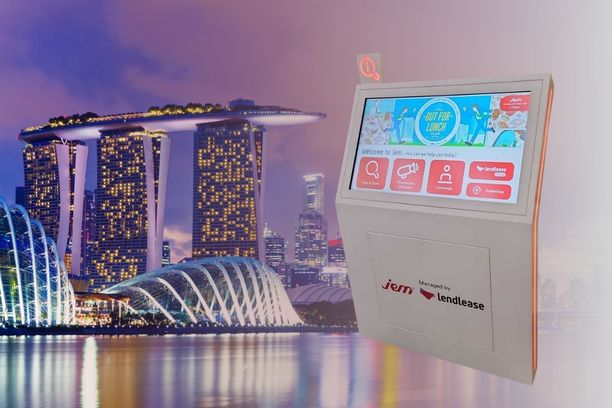
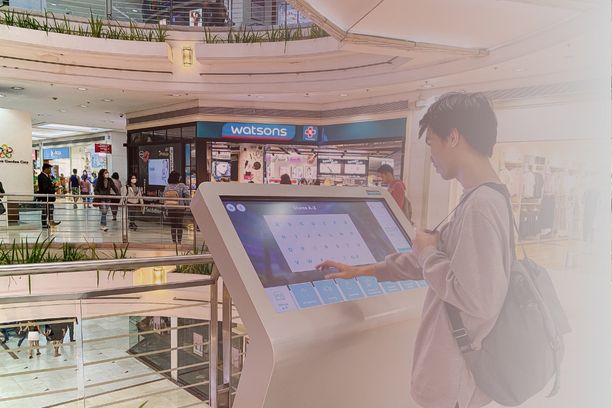
In 2009, digital wayfinding wasn’t an established industry. There were no standards for indoor navigation, no proven touchscreen experiences for visitors, and no evidence that people would trust a digital map to guide them through complex venues.
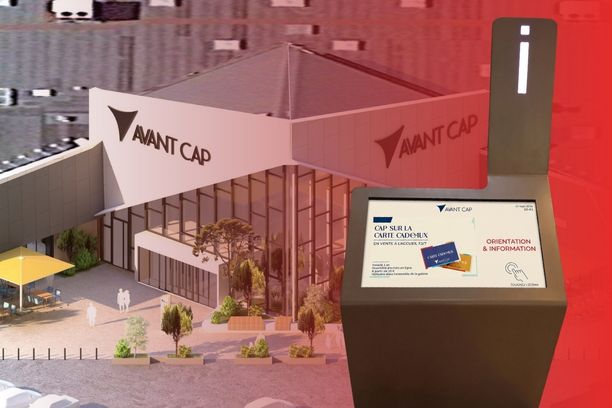
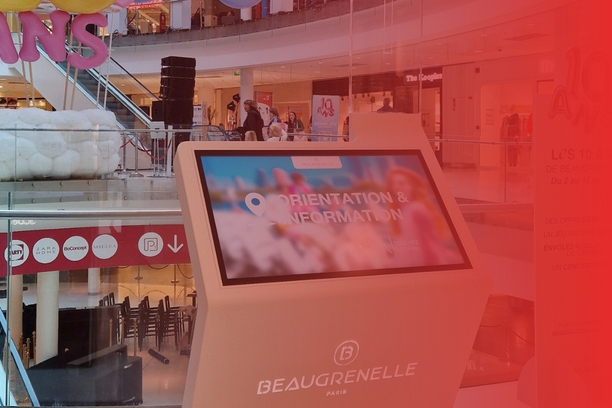
That same year, ViaDirect installed its first interactive wayfinding kiosk at Forum des Halles in Paris. What began as a simple mission has evolved into a complete digital ecosystem for airports, hospitals, shopping centers, universities, corporate campuses, and public venues around the world.
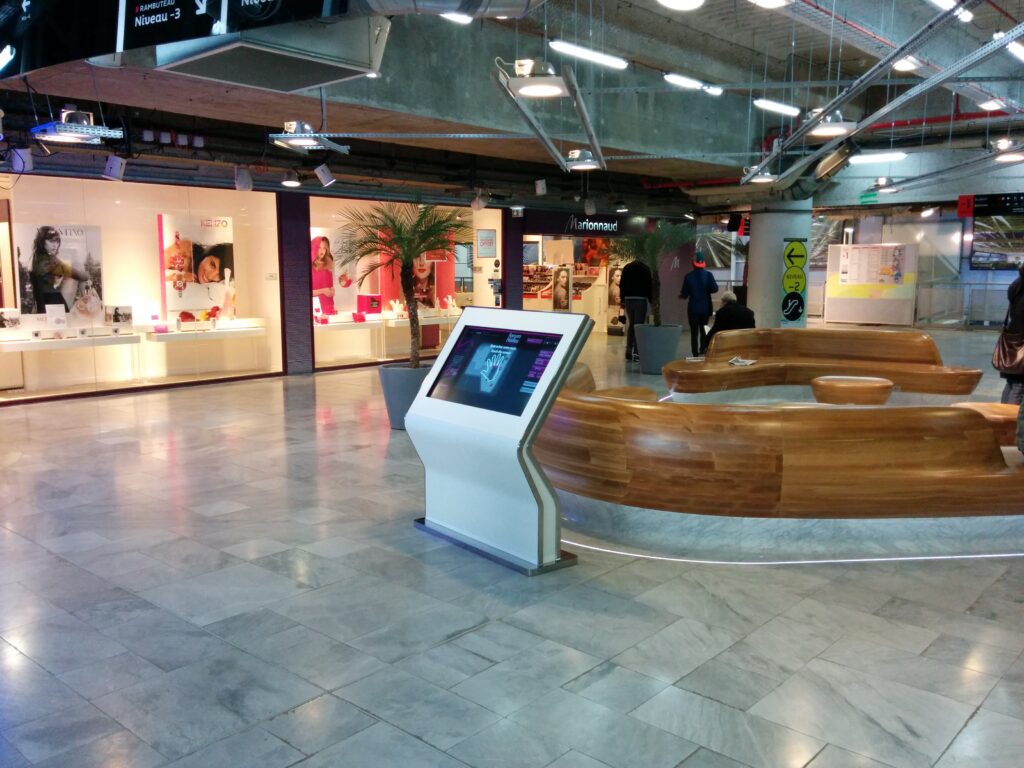
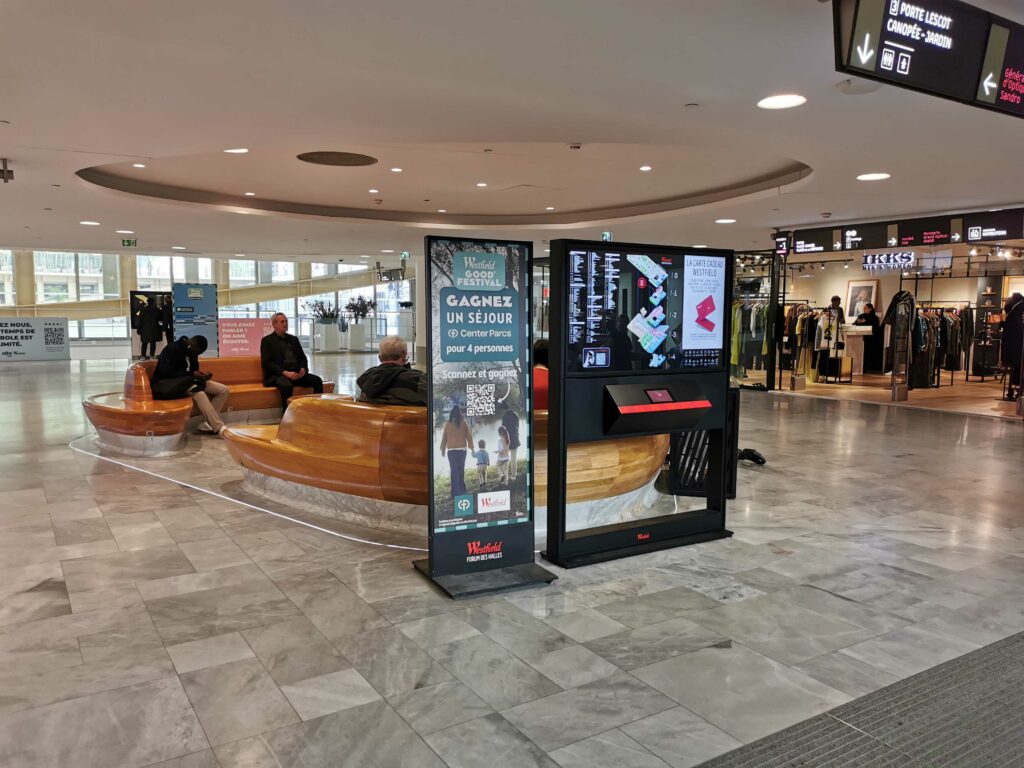
More than fifteen years later, operating across dozens of countries and serving hundreds of venues, one lesson remains unchanged:
Great wayfinding is almost invisible. Visitors shouldn’t have to think about the technology, they should simply arrive where they need to be.
From Interactive Maps to Complete Visitor Experiences
At first, digital wayfinding solved one essential question:
“Where am I, and how do I get where I need to go?”
Today, visitors expect much more.
Whether they’re in an airport, shopping mall, hospital, or university campus, people also want to:
- Find stores, departments, or services
- Discover promotions and special offers
- Locate restaurants and amenities
- Access operational information
- Identify accessible facilities
- Navigate with confidence in unfamiliar environments
Modern interactive maps have become far more than navigation tools. They now serve as centralized digital platforms that combine indoor positioning, venue information, commercial content, and personalized guidance into a single seamless experience.
The result is a smoother visitor journey and greater engagement throughout the venue.
Accessibility Must Be Built Into the Experience
Accessibility isn’t simply about meeting regulations. It’s about ensuring every visitor can navigate independently. Working alongside organizations representing people with disabilities fundamentally changed how we design digital wayfinding.
Instead of adapting the same experience for everyone, navigation should respond to each visitor’s needs from the very beginning.
This philosophy led to ViaDirect Access+, our accessible mobile navigation solution designed specifically for people with reduced mobility (PRM), visually impaired visitors, and travelers who benefit from simplified guidance.
Key capabilities include:
- Audio guidance
- Haptic (vibration) navigation
- Personalized accessible routes
- Elevator-first navigation
- Assistance point identification
- Positioning accuracy below 50 cm
Accessibility is no longer a feature, it is part of the navigation experience itself.
Mobile Wayfinding Didn’t Replace Interactive Kiosks
When smartphones became the primary digital device for consumers, many predicted the end of the interactive kiosk.
That prediction never became reality.
Instead, visitor expectations changed.
Today, people move naturally between multiple touchpoints.
They may:
- Search a destination before arriving
- Scan a QR code inside the venue
- Continue navigation on their phone
- Return to a kiosk for additional information
Rather than replacing kiosks, mobile technologies expanded the digital wayfinding ecosystem.
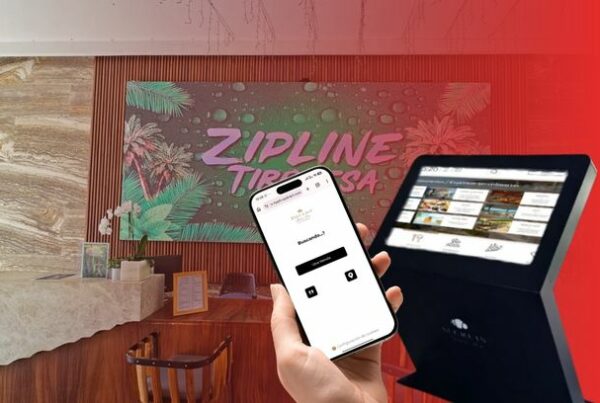
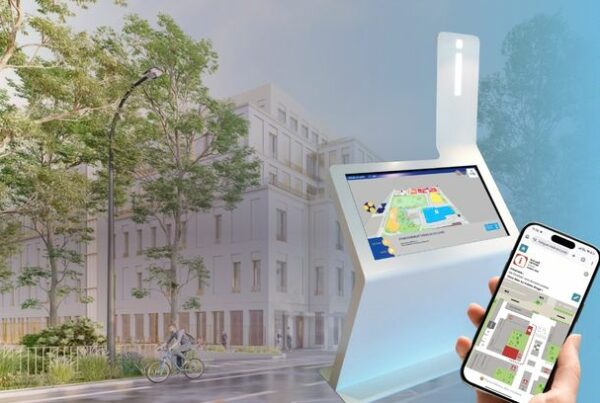
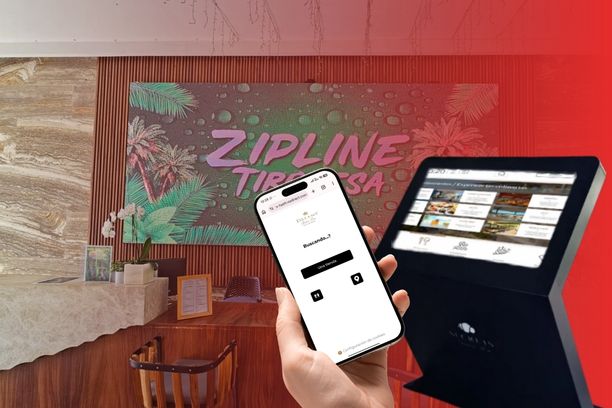
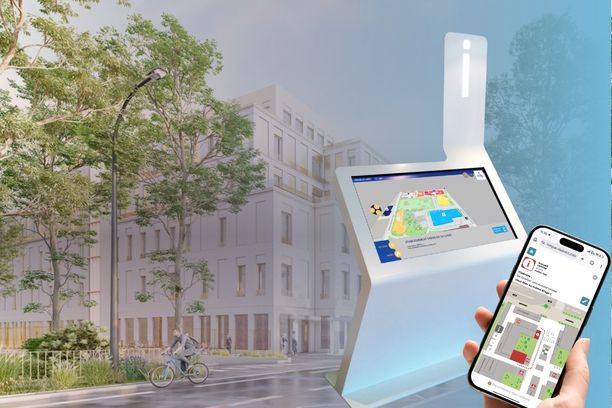
ViaDirect Mobile, accessible through QR codes, and ViaDirect Web, integrated via iFrame and SDK, were developed as natural extensions of the same platform—not separate products.
The objective is simple:
One map.
One database.
One consistent navigation experience across every device.
The Most Valuable Output Is Data
While visitors use digital wayfinding to navigate, venue operators gain something equally valuable: actionable insights.
Every interaction tells a story.
Searches reveal what visitors are looking for.
Routes highlight movement patterns.
Popular destinations identify traffic hotspots.
Frequently requested services expose operational priorities.
This behavioral data helps organizations make smarter decisions, including:
- Optimizing retail layouts
- Improving tenant visibility
- Planning maintenance
- Reducing visitor friction
- Evaluating new commercial opportunities
Over time, digital wayfinding has evolved from a navigation solution into a strategic decision-making platform powered by real visitor behavior.
The Next Generation of Digital Wayfinding
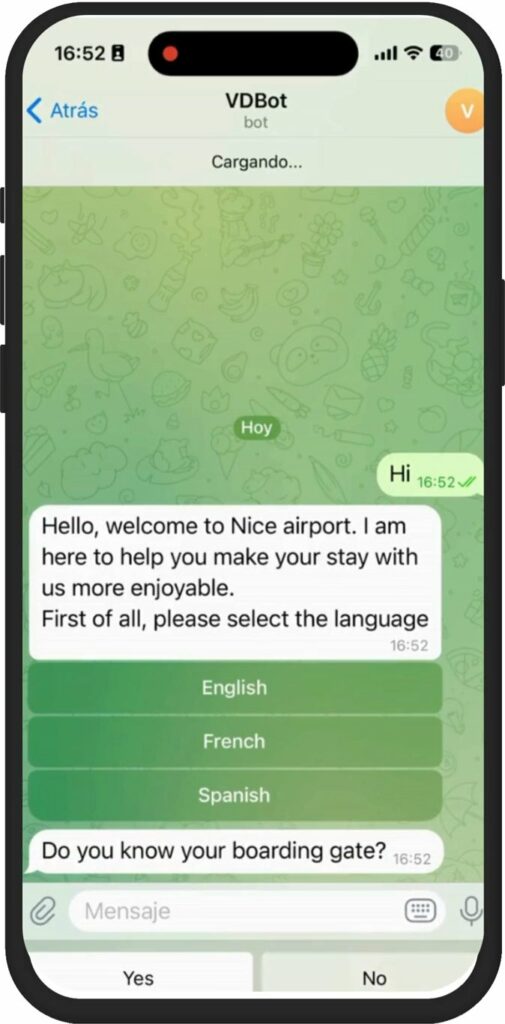
AI Agents now let visitors ask a question in natural language, in more than 50 languages, through WhatsApp or a web app, without downloading anything or learning how to use a map at all. Augmented reality guidance overlays a route directly onto the camera view, in a Street View style mode, using visual positioning systems accurate to one to three meters, with no additional hardware and no dependency on Wi-Fi or network coverage.
None of this replaces the map. It replaces the moment where a visitor has to translate their intent into a search. The lesson underneath all of it is the same one we learned in 2009: the less a visitor has to think about the interface, the more they trust the guidance.
Why Experience Matters in Digital Wayfinding
Digital wayfinding software is easy to demo and hard to sustain. Kiosks need maintenance, maps need updates as stores and services change, and customer service has to be available when something goes wrong on-site. Some of our client relationships, with foncières, shopping centers, and transport hubs across France and Europe, go back more than a decade, through several generations of hardware and at least four complete evolutions of the software itself.
That continuity is not an accident. It is the result of treating every deployment as a long-term partnership rather than a one-time installation, and it is the clearest proof we have that the lessons above are more than theory.