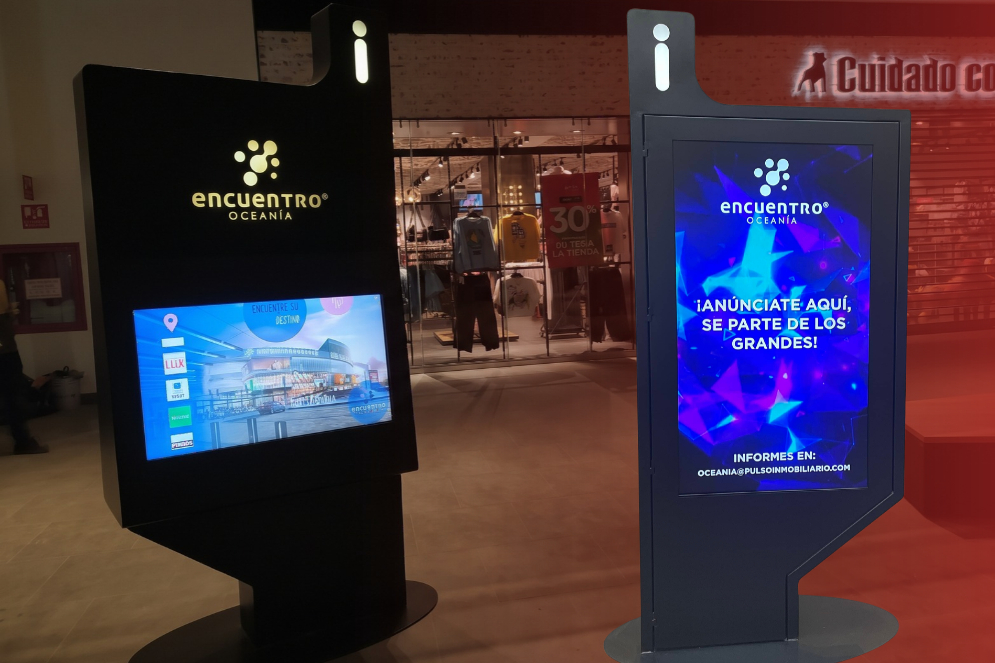
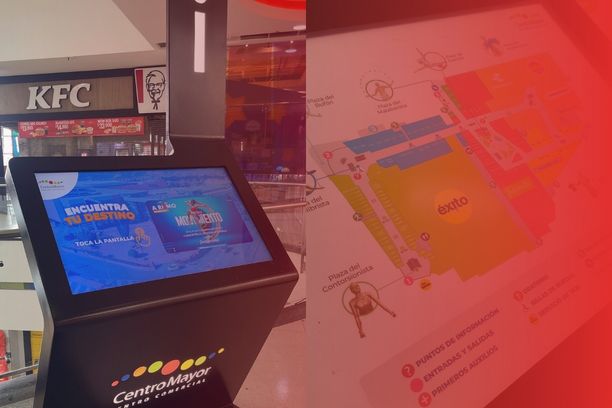
Guests today expect more than an arrow on a wall. Whether checking into a hotel, navigating a busy airport terminal, or locating a store in a multi-level shopping center, the quality of their navigation experience shapes how they feel about the entire visit. As venues grow larger and more complex, the choice between static signage and dynamic digital wayfinding is no longer just a facility design decision, it is a critical driver of guest experience and operational ROI.
The satisfaction gap is measurable
Properties implementing digital wayfinding report immediate, quantifiable gains in guest satisfaction:
- 25% reduction in visitors getting lost.
- ~20% increase in guest satisfaction scores.
- Measurable drops in front-desk queues, noise, and routine complaints.
Guest expectations back this up: over 55% of modern travelers and visitors actively prefer self-service digital kiosks over asking staff. Digital wayfinding has shifted from a forward-looking luxury to a baseline operational expectation.
The High Operational Cost of Static Signage
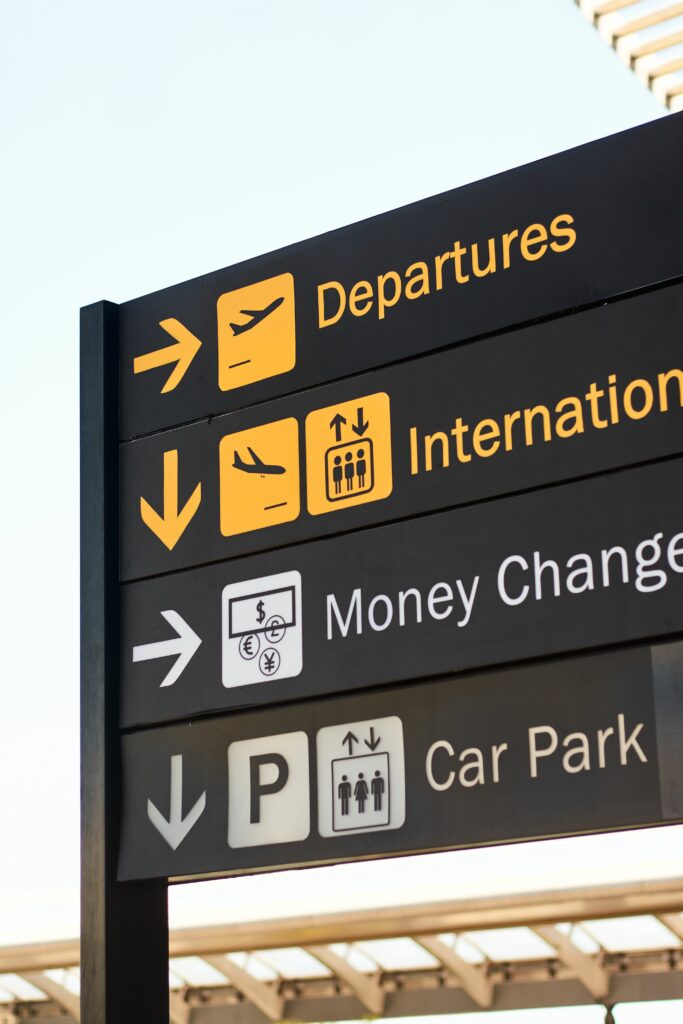
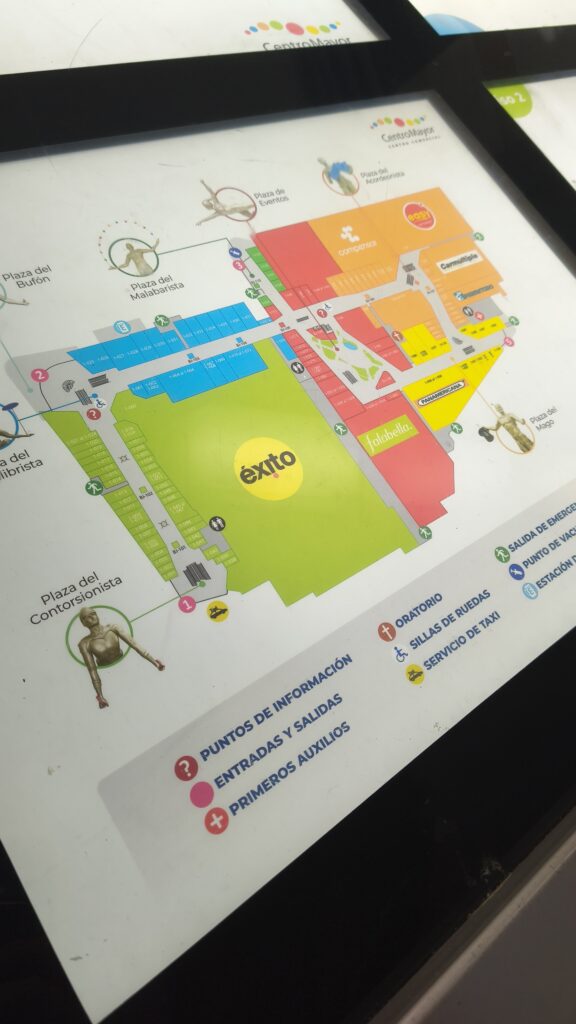
Traditional static signage still plays a role, primarily for emergency exits, restroom icons, and baseline architectural orientation where zero power dependency is required. However, its structural limits quickly become a bottleneck in dynamic, high-traffic spaces.
The limitations of static signs
| Zero Real-Time Flexibility | Cannot update when stores relocate or routes close for renovation. |
| Language & Accessibility Barriers | Incapable of dynamic translation or personalized step-free routing. |
| Hidden Labor Drain | Forces confused visitors to ask front-desk, info, and security personnel. |
When visitors cannot self-navigate, staff end up answering the same repetitive directional questions, turning navigation issues into a continuous, hidden labor expense.
Connecting Physical and Mobile Spaces
Modern visitors expect seamless transitions between physical venue hardware and their personal devices. ViaDirect bridges this gap by turning static touchpoints into interactive journeys:
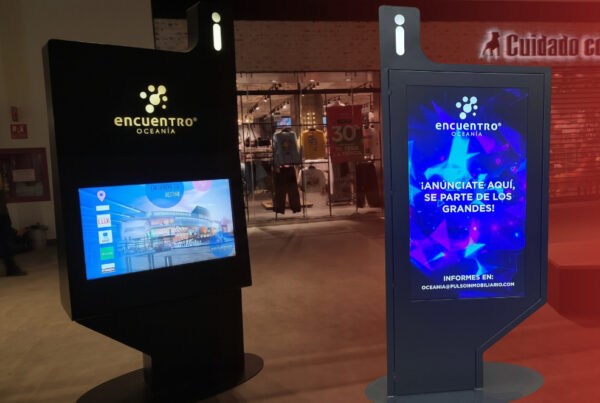
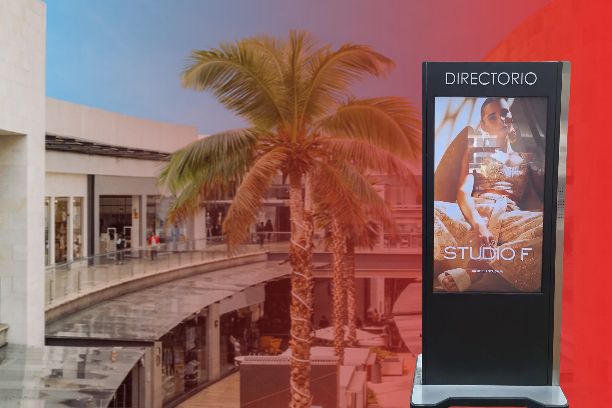
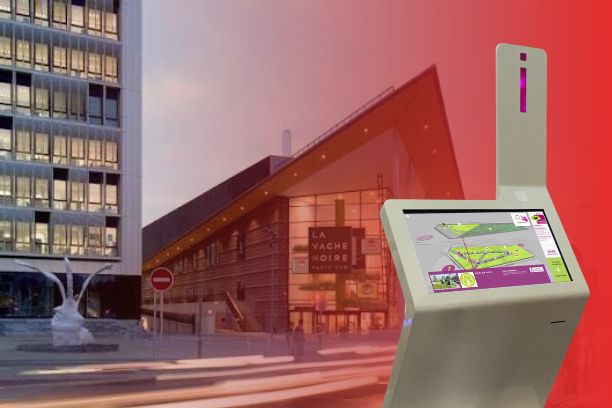
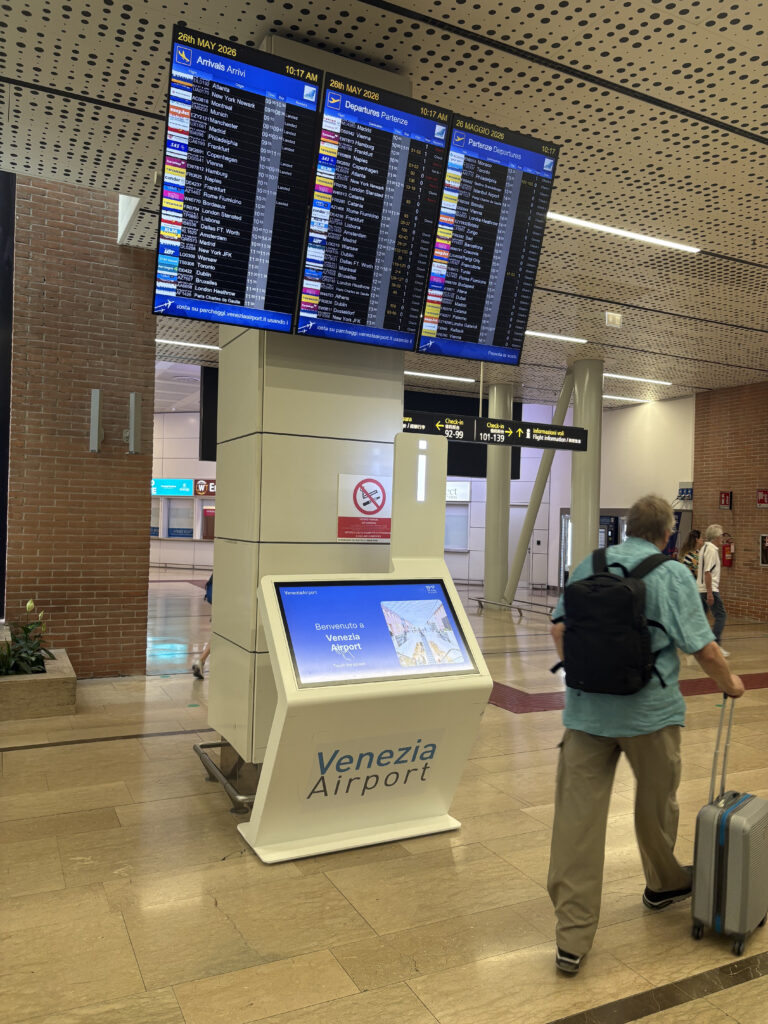
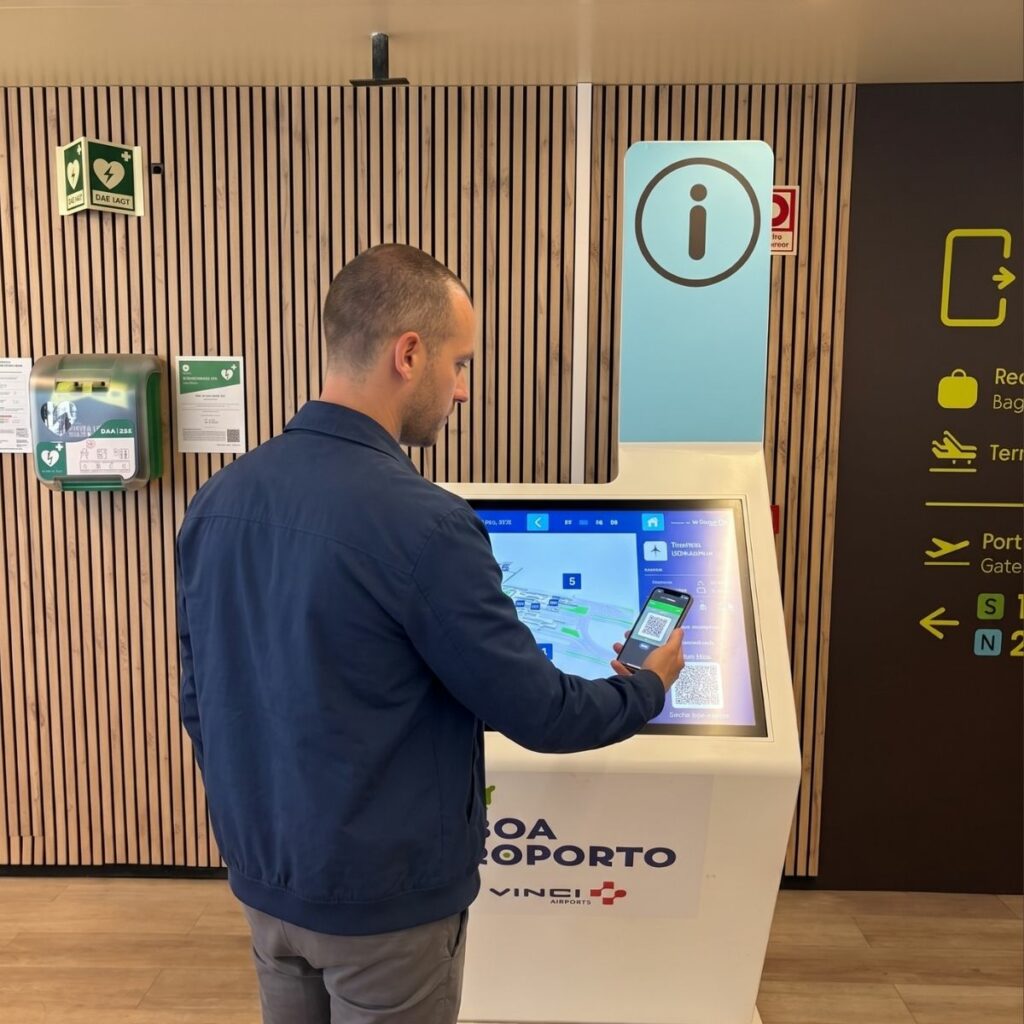
- Interactive Hardware: High-traffic entry points rely on physical 3D map kiosks to provide an immediate, high-impact orientation hub.
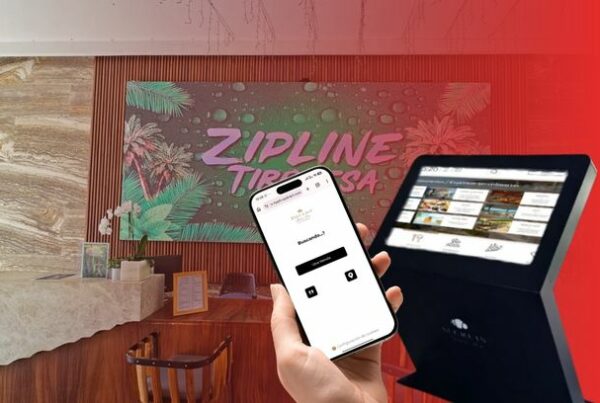
- Mobile Handoff (QR-to-Mobile): With a quick QR code scan, visitors transfer their customized 3D route directly onto their smartphones, allowing step-by-step guidance to follow them anywhere in the venue without requiring an app download.
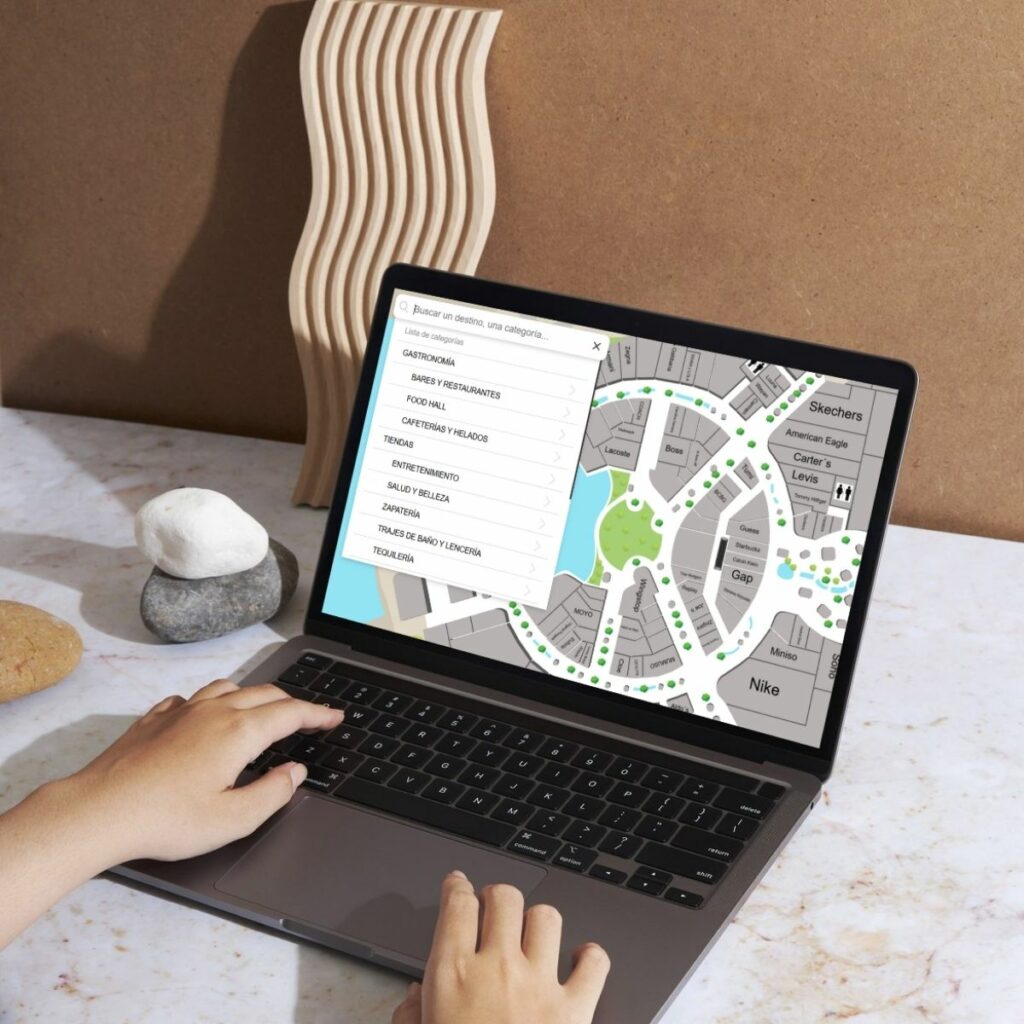
- Omnichannel Web Integration: Web-embedded maps let guests plan their routes before even arriving on-site.
Software-Level Inclusion & Universal Accessibility
Physical signage is static by design. Offering a wheelchair-accessible route, switching to multi-language options, or serving visually impaired visitors with standard signs requires installing costly, redundant physical infrastructure.
ViaDirect solves accessibility at the platform level rather than the hardware level:
- Step-Free Routing Modes
- 12+ Languages Instant-Toggle
- Screen Reader & High Contrast
Through specialized accessibility engines, like ViaDirect’s Access+, a single managed map dataset delivers step-free routing, high-contrast modes, screen-reader compatibility, and instant multi-language support. For hospitals, airports, and universities, removing these physical barriers is frequently the single largest driver of guest satisfaction improvement.
Transforming Navigation into Revenue and Loyalty
Beyond basic directional utility, digital wayfinding unlocks hyper-personalized commercial touchpoints. By integrating visitor traffic data with venue management systems, displays and maps transform into revenue levers:
- Extended Dwell Time: Search-based interactive maps eliminate destination frustration, giving guests confidence to explore deeper into retail and hospitality venues.
- Contextual Promotions: Surface loyalty rewards, flash deals, and location-relevant offers based on real-time visitor movement.
- High-Impact Visual Content: High-quality digital media increases menu and product appeal by 30% to 40% compared to text-only presentations.
Key Takeaway for Venue Operators
Modernizing wayfinding delivers concrete operational wins: faster navigation, double-digit increases in visitor satisfaction, and significantly lighter workloads for front-desk staff. Static signage handles critical baseline info, but digital wayfinding drives real efficiency in large, dynamic, or high-traffic spaces.
ViaDirect provides the complete infrastructure to unlock these results, including interactive kiosks, mobile QR navigation, web-embedded mapping, and accessibility tools tailored for retail, transit, healthcare, higher ed, and hospitality.
Transform your venue navigation into a satisfaction and revenue driver.
Discover how ViaDirect cuts staff inquiries, improves accessibility, and enhances the guest experience.