
Wayfinding in modern airports is no longer a matter of simple comfort or static signage; it is a critical operational variable. Poor passenger orientation directly disrupts airport ecosystems: it triggers a drop in non-aeronautical revenue, decreases passenger satisfaction scores (ASQ), and creates complex bottlenecks for Operations and IT departments managing tight flight schedules.
When passengers get lost, they miss commercial areas. When they miss their gate, airlines incur costly delays. Furthermore, failure to offer autonomous navigation for disabled travellers creates severe regulatory risks regarding PRM (Passengers with Reduced Mobility) compliance.
Transforming a fragmented, high-stress terminal into an intuitive, self-guided environment requires an integrated digital wayfinding strategy. Leading operators do this at scale, across multiple languages, by deploying reliable, connected solutions.
The Structural Challenges of Airport Orientation
Before evaluating digital solutions, airport management must address the unique architectural and human factors that make hubs complex orientation environments:
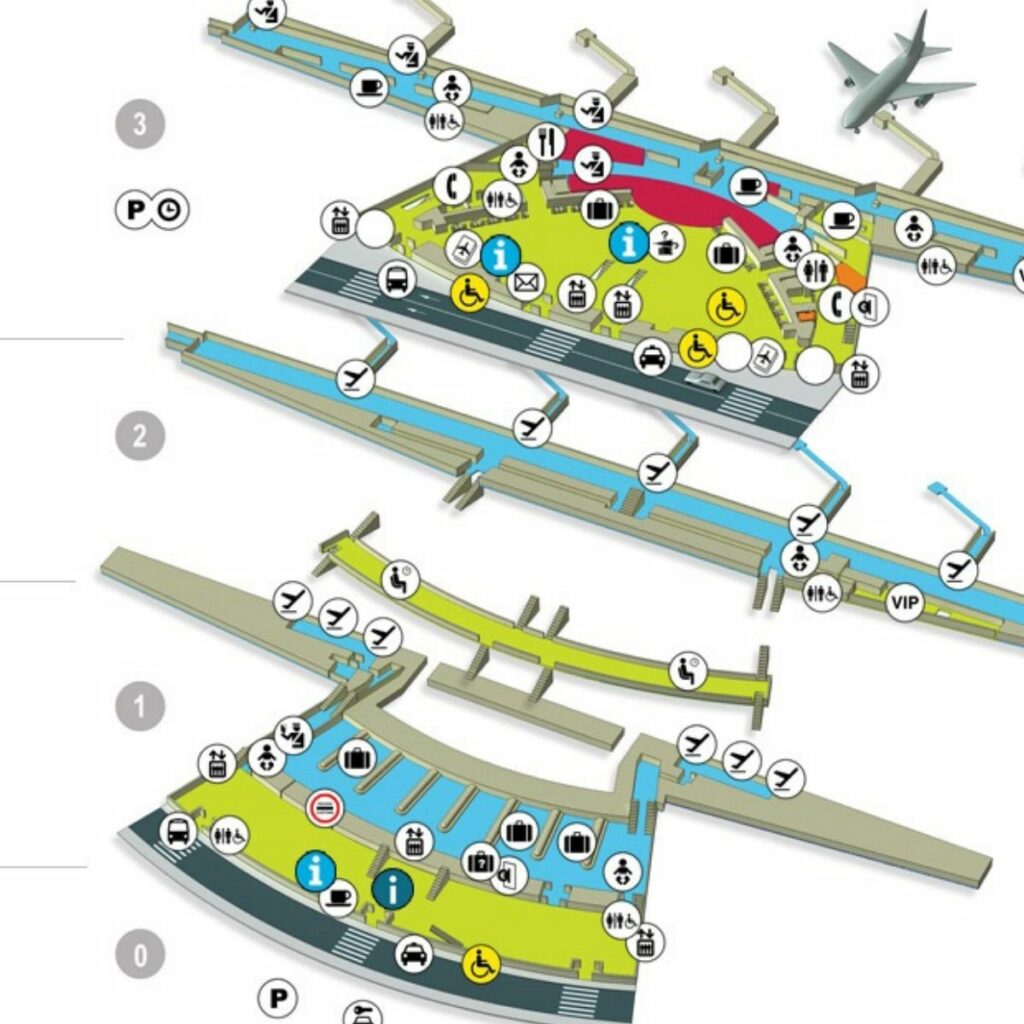
Scale and infrastructure fragmentation
Multi-terminal hubs operate as sprawled, evolving spaces. Wayfinding cannot rely on disconnected static pieces; it must function as a coherent, unified system.
Dynamic, time-sensitive information
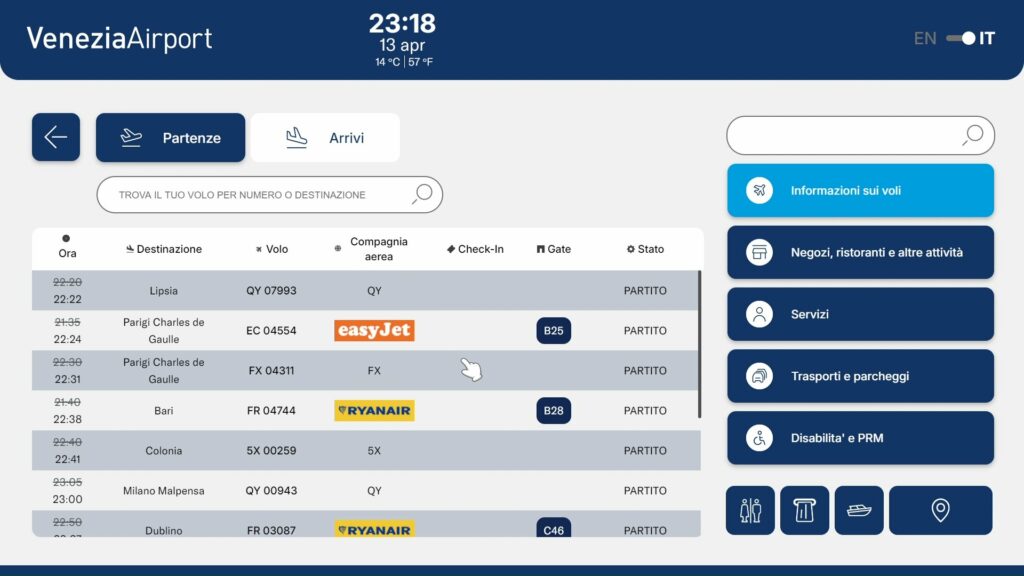
Unlike shopping centres, airports are live operational environments. Passengers require real-time data synchronization regarding gate changes, security wait times, and flight statuses.
Extreme diversity of users
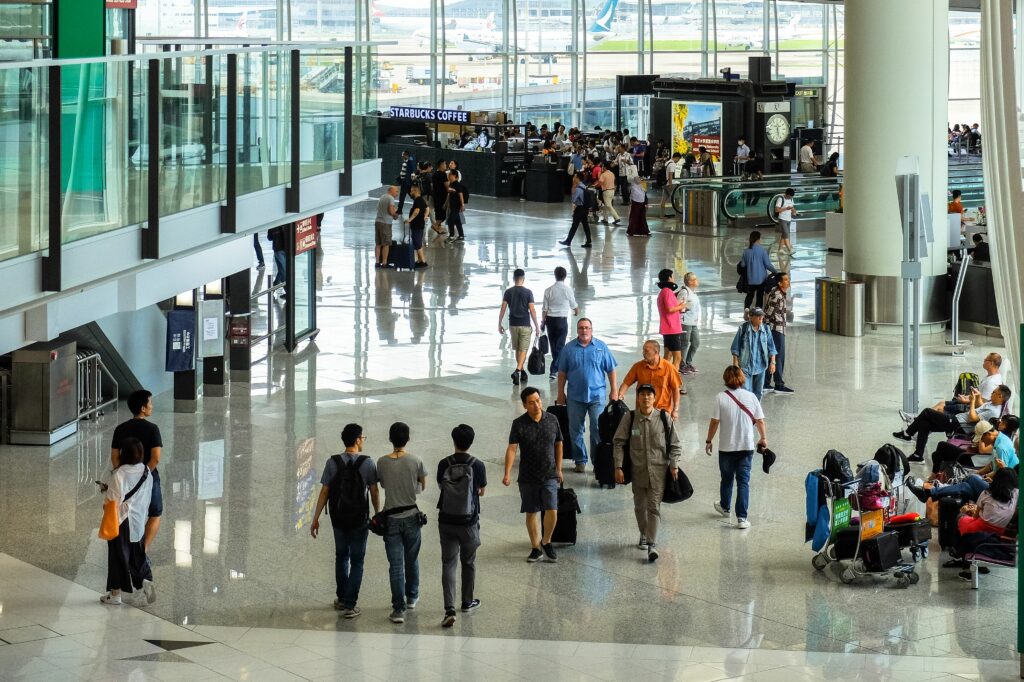
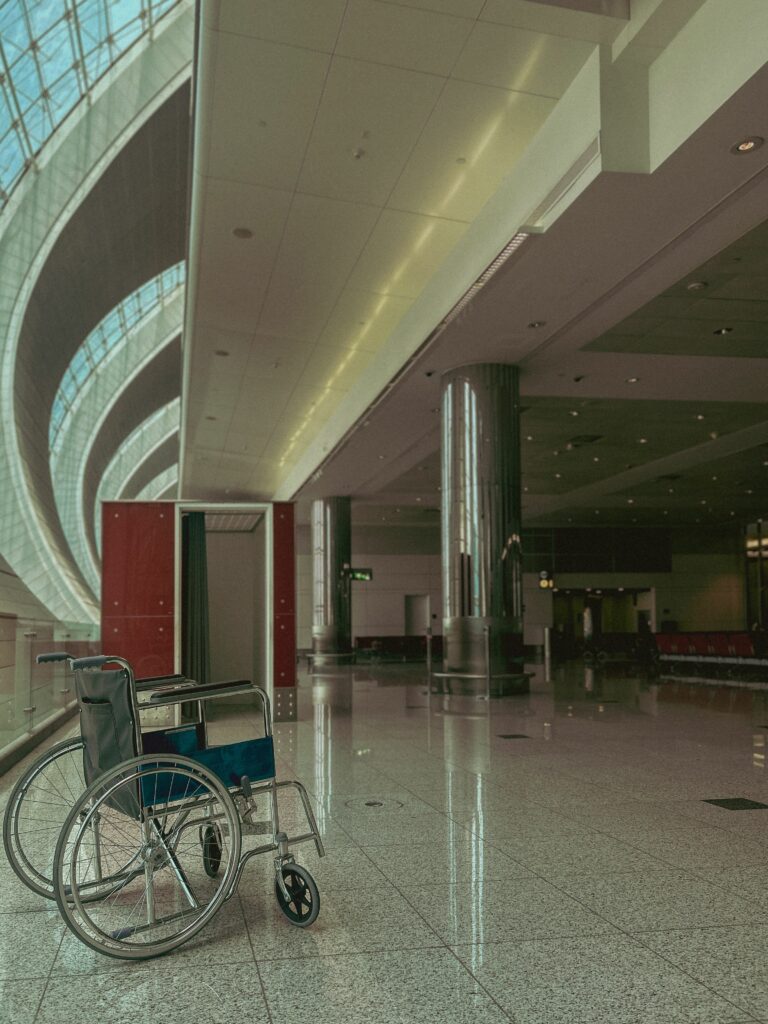
Terminals welcome a global audience speaking varied languages, alongside elderly passengers, families with strollers, and travellers with visual or motor impairments.
Regulatory requirements
European hubs must comply with strict regulations, such as EU Regulation 1107/2006 and the European Accessibility Act (EAA). Digital wayfinding must natively support these legal obligations.
Digital Wayfinding Kiosks: The Fixed Anchors of Terminal Orientation
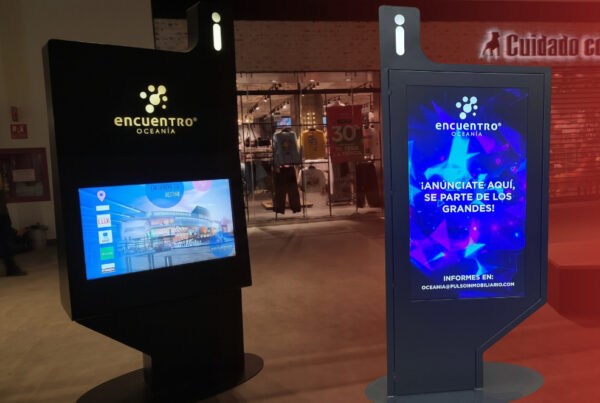
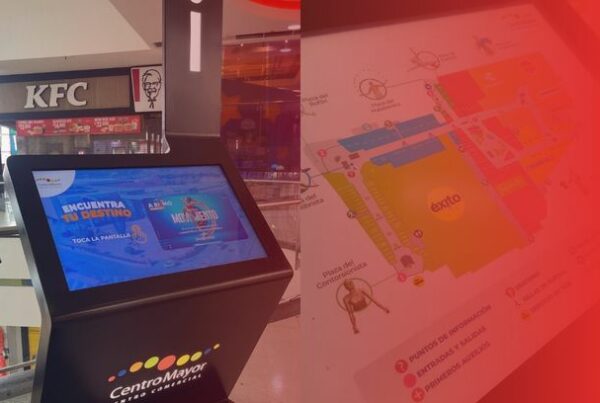
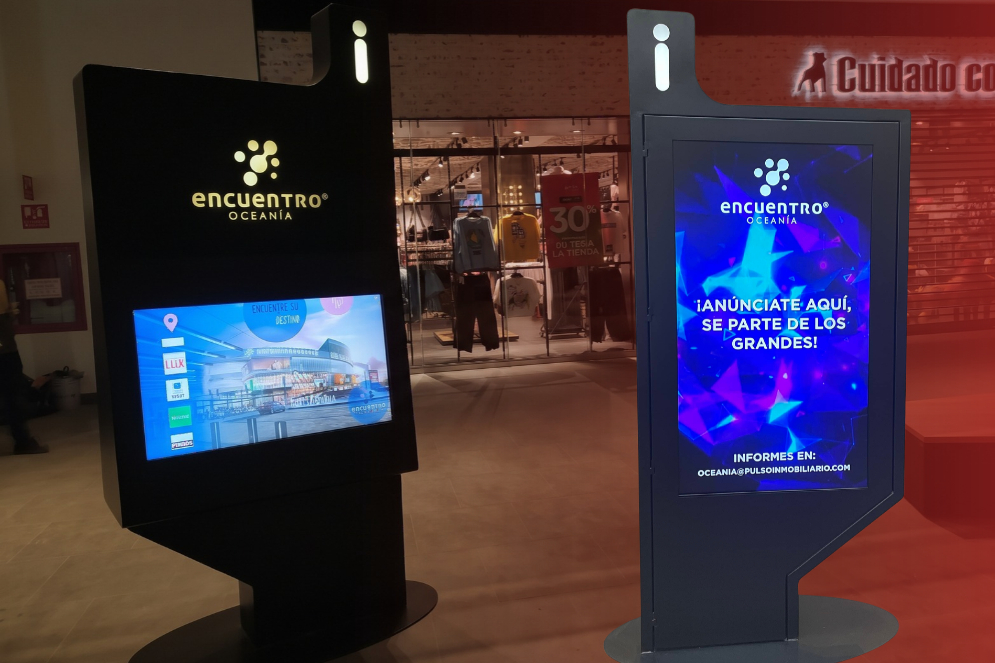
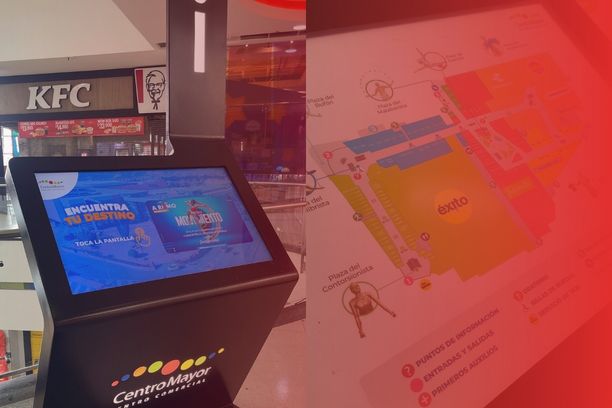
In a comprehensive terminal orientation strategy, the interactive digital kiosk remains the vital physical anchor. It provides immediate, universally accessible guidance without requiring the user to download an application or have network connectivity.
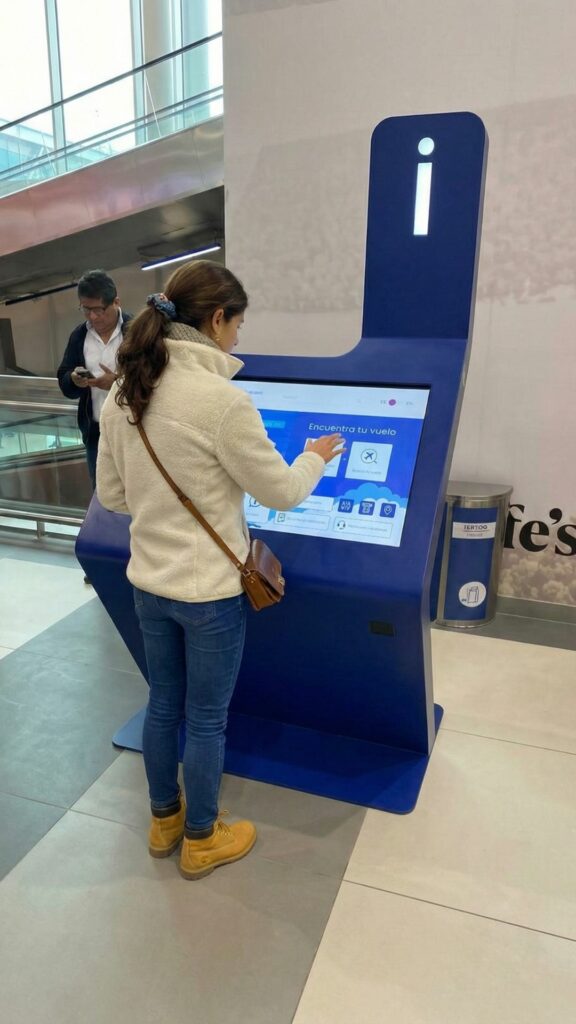
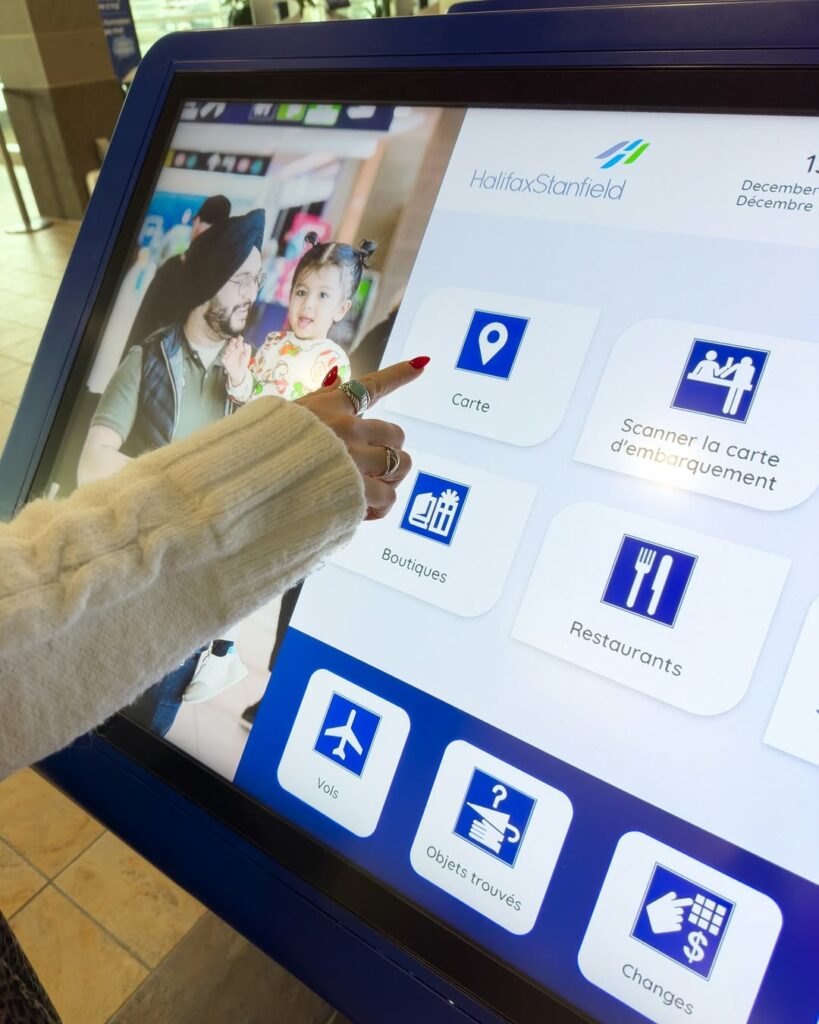
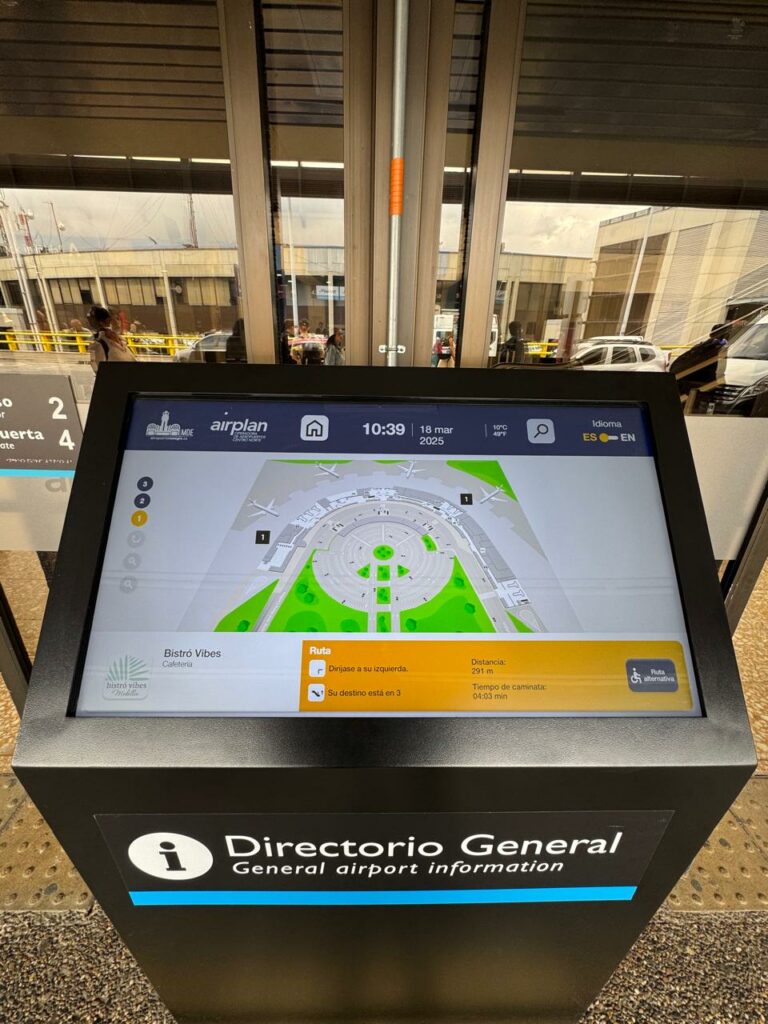
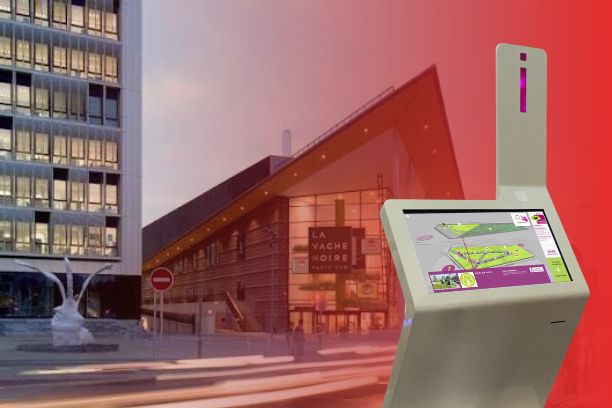
As a pioneer with over 15 years of experience in public space navigation, ViaDirect designed the Gazelle range of floor-standing totems specifically for these demanding conditions. Deployed across high-throughput international hubs in Europe, Latin America, and North Africa, these interactive kiosks combine highly durable hardware with robust software. Engineered for continuous 24/7 operation under complex public lighting, they provide multilingual 3D maps that pinpoint gates and services in seconds.
ViaDirect Mobile: Extending the Journey Anywhere
While fixed kiosks anchor key decision points, airport journeys are inherently continuous. To optimize passenger flow, guidance must smoothly transition into the palm of the traveler’s hand.
ViaDirect Mobile bridges this physical-to-digital gap via an instant app-free interface. By scanning a QR code directly on the Gazelle kiosk totem, passengers instantly transfer their live 3D map onto their smartphone.
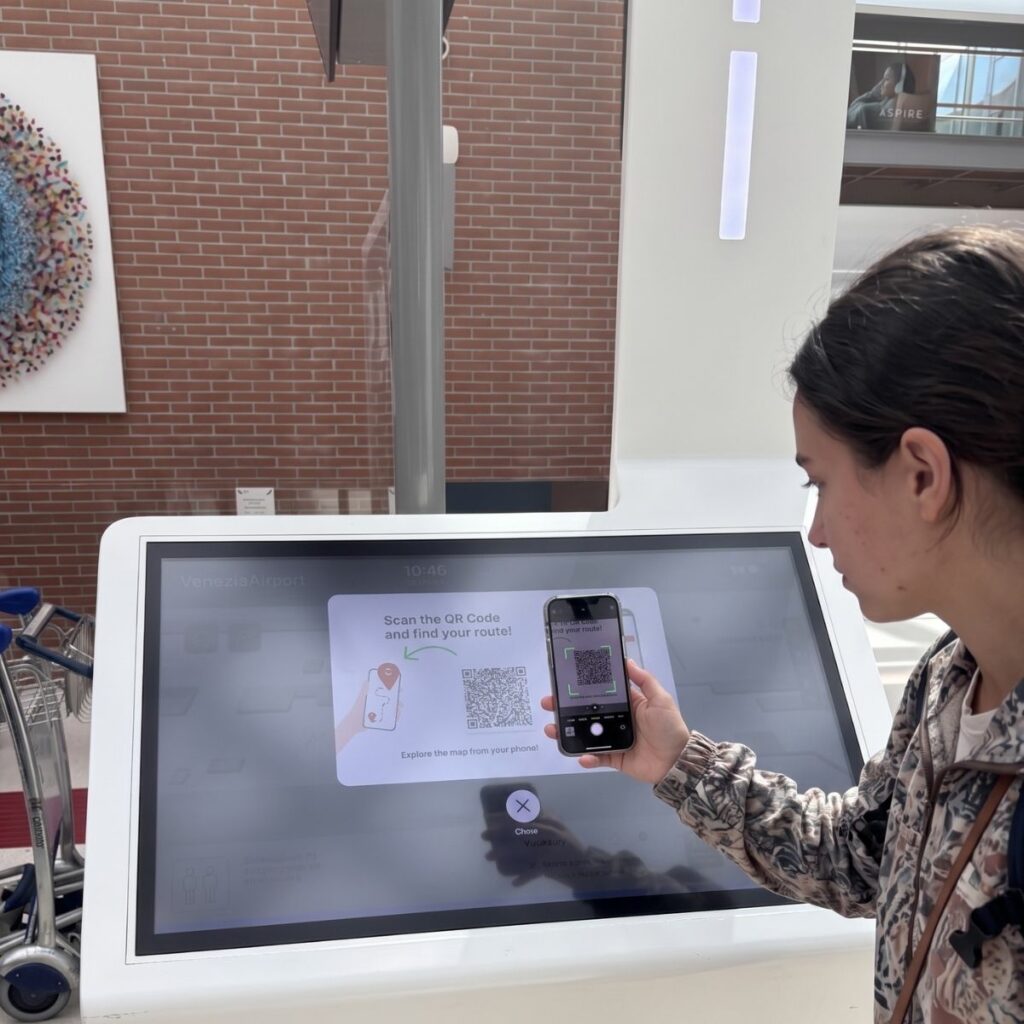
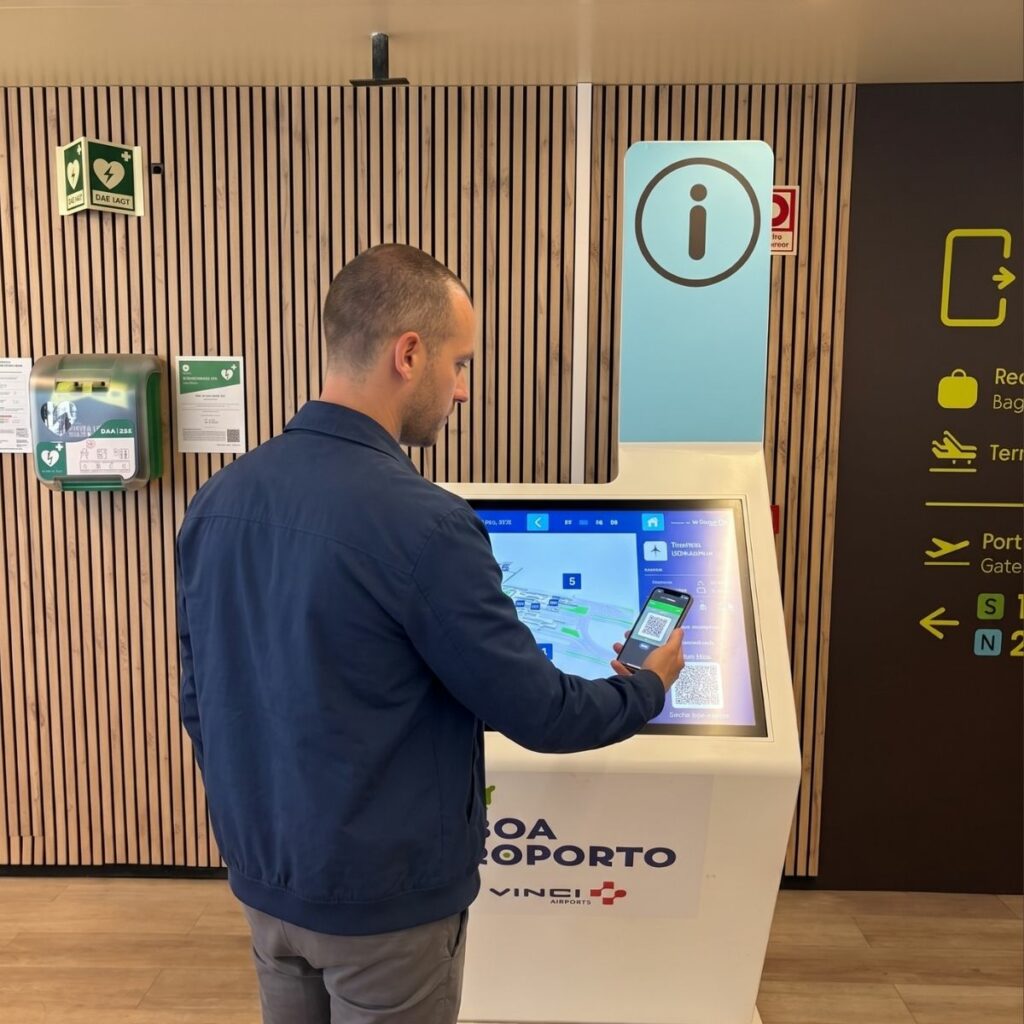
If a passenger selects a boarding gate on the kiosk and scans the QR code, the route is pre-loaded on their phone instantly. This cross-platform continuity eliminates information re-entry, representing the hallmark of a professionally integrated digital ecosystem.
A Connected Ecosystem Built for Global Hubs
The highest-performing airports do not deploy isolated standalone products; they invest in hardware-agnostic, unified software platforms.
The ViaDirect Software Platform centralizes terminal orientation by connecting kiosks, mobile web maps (iFrames), and native SDKs into a single backend. Powered by live data integration (APIs), the software injects real-time flight data, security status, and retail promotions directly onto the passenger’s route.
Proven Global Expertise
ViaDirect’s hardware and software ecosystem is trusted by major international hubs worldwide:
- Venice Marco Polo Airport (Italy): Real-time flight and security data integration.
- Jorge Chávez International Airport (Lima, Peru): Large-scale terminal deployment.
- Zagreb Airport (Croatia): Inclusive multilingual interfaces for millions of annual passengers.
Beyond technology, ViaDirect provides comprehensive, long-term accompaniment. Every deployment is backed by custom industrial furniture design, 12-week delivery turnarounds, a 99.9% uptime guarantee, and proactive 24/7 monitoring and maintenance with a guaranteed 2-hour response time.
Optimize Your Passenger Journey
Discover how ViaDirect transforms physical spaces into intuitive digital environments.